



Metal Torsion Spring
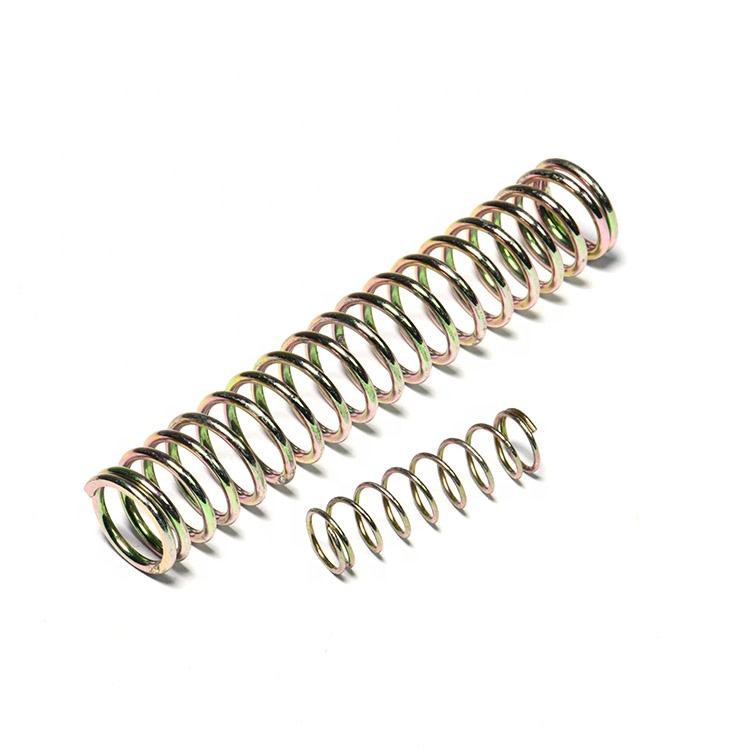
Metal torsion springs are precision-engineered components designed to resist rotation or twisting forces. Crafted from durable metal alloys, these springs exhibit exceptional strength and reliability. Their helical coil structure enables them to store and release rotational energy, providing controlled torque for various applications. Widely used in automotive systems, machinery, and doors, metal torsion springs contribute to the precision and efficiency of mechanisms. With a focus on durability and consistent performance, these springs play a vital role in ensuring the seamless operation of diverse mechanical systems.
Description
Characterized by a helical coil structure, metal torsion springs are tailored to resist rotational or twisting forces. This design enables them to store and release energy in a controlled manner, making them essential for a wide range of industrial applications.
Advantages:
Precision Engineering: Meticulously crafted for precise torque control, ensuring accurate rotational forces in mechanical systems.
Durability: Constructed from robust metal alloys, these springs exhibit exceptional durability, ensuring reliable performance over extended periods.
Versatility: Adaptable to various industries, including automotive, machinery, and doors, showcasing versatility in different operational contexts.
Consistent Performance: The helical coil design ensures consistent and reliable performance, maintaining optimal functionality throughout the spring's lifecycle.
Key Features:
Optimized Torque Transmission: Engineered to transmit torque effectively, distributing rotational forces evenly for enhanced functionality.
Compact Design: Space-efficient helical structure allows for integration into systems with limited space without compromising performance.
Environmental Resilience: Resistant to environmental factors, making them suitable for diverse applications in varying working conditions.
Enhanced System Efficiency: By delivering controlled torsional forces, metal torsion springs contribute to the overall efficiency of mechanical systems, ensuring smoother machinery operation.

Application scenarios

Electronics and Microtechnology:
In microdevices, circuit boards, and miniature electronic components, metal tension springs play a crucial role.
Used to provide controlled tension in delicate electronic mechanisms, contributing to the flawless operation of electronic devices.

Automotive Industry:
Integrated into automotive components such as switches, sensors, and connectors, the springs ensure optimal functionality.
Used in applications where controlled tension is essential, contributing to the reliable performance of automotive systems.

Medical Devices:
Found in components like switches, connectors, and antennas within telecommunications equipment.
The small size and durability of metal tension springs make them valuable for ensuring the reliable operation of telecommunication devices.
FAQ
1.What material is used for torsion springs?
Torsion springs are typically made from various materials, with the choice depending on factors such as application, load requirements, and environmental conditions. Common materials include high-carbon steel, stainless steel, and certain alloys, chosen for their strength, durability, and resistance to corrosion.
2.What material is a torsion bar spring?
Torsion bar springs are commonly made from alloy steel, although materials like stainless steel and carbon steel can also be used. The specific material selection depends on the desired properties such as strength, elasticity, and resistance to wear and corrosion.
3.What is the purpose of a torsion spring?
The primary purpose of a torsion spring is to store and release energy when subjected to a twisting or rotational force. Torsion springs are widely used in various applications, including doors, automotive systems, and machinery, to provide controlled rotational forces, ensure proper tension, and contribute to the overall functionality and efficiency of mechanical systems.
4.How to make a torsion spring?
Making a torsion spring involves several steps, and the process can vary based on the desired specifications and the material used. Here's a general outline:
Material Selection: Choose an appropriate material based on the application requirements.
Wire Forming: Form the wire into a helical coil, considering the desired dimensions and pitch of the spring.
Heat Treatment: Heat-treat the formed coil to optimize its mechanical properties, such as strength and elasticity.
Finishing: Perform any necessary finishing processes, such as shot peening or coating, to enhance durability and corrosion resistance.
Assembly: If required, assemble the torsion spring into the intended system or component.
It's crucial to note that designing and manufacturing torsion springs require precision and expertise, and specialized equipment may be used in industrial settings for mass production.
Hot Tags: metal torsion spring, China metal torsion spring manufacturers, suppliers, factory, metal torsion spring, Metal Springs, non ferrous springs, Small Metal Springs, metal tension spring, tiny metal springs
Send Inquiry
You Might Also Like


